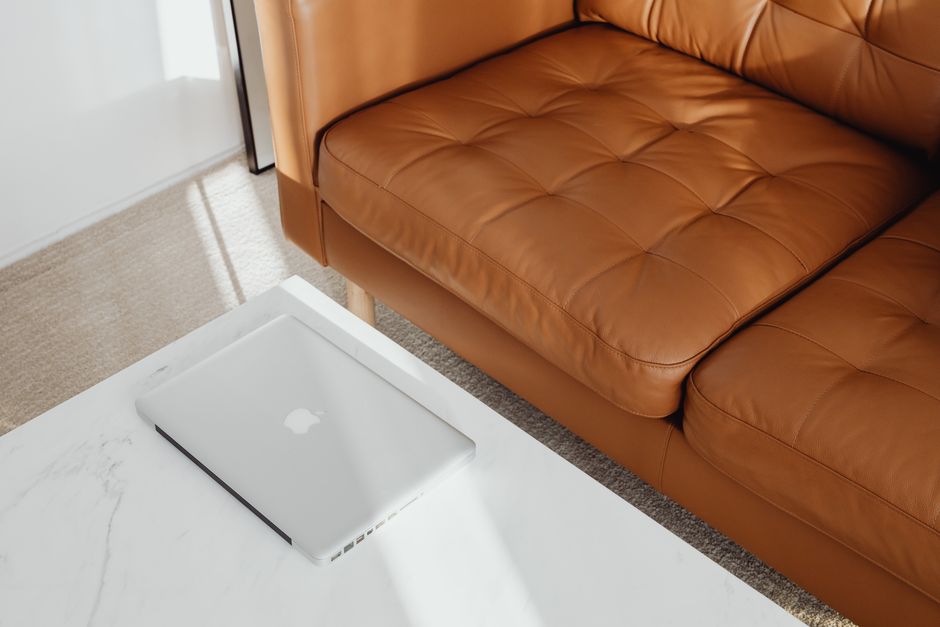
Sofa cleaning for One Canada Square offices
If you manage an office at One Canada Square, you already know the little details matter. Visitors notice the reception seating before they notice the meeting room. Staff notice it too, especially on Monday mornings when the sofa has taken one too many coffee breaks, lunch crumbs, or the faint smell of "someone was definitely here late last night." Sofa cleaning for One Canada Square offices is not just about appearances; it is about comfort, hygiene, and the kind of first impression that quietly does a lot of heavy lifting for your business.
In a busy Canary Wharf workplace, upholstery gets more wear than most people realise. Fabric traps dust, body oils, drink spills, and everyday grime. Leather can dull. Armrests darken. Cushions lose that crisp, professional look. This guide explains how office sofa cleaning works, what to expect, when it makes sense, and how to avoid common mistakes that can make a simple job more expensive than it needs to be.
For a broader overview of methods and service expectations, you may also find the main sofa cleaning service and the wider upholstery cleaning page useful.
Expert takeaway: the best office sofa cleaning is rarely the most aggressive one. It is the method that removes soil safely, dries properly, and fits the material, the schedule, and the real-world pace of an occupied office.
Contents
- Why Sofa cleaning for One Canada Square offices Matters
- How Sofa cleaning for One Canada Square offices Works
- Key Benefits and Practical Advantages
- Who This Is For and When It Makes Sense
- Step-by-Step Guidance
- Expert Tips for Better Results
- Common Mistakes to Avoid
- Tools, Resources and Recommendations
- Law, Compliance, Standards, or Best Practice
- Options, Methods, or Comparison Table
- Case Study or Real-World Example
- Practical Checklist
- Conclusion
- Frequently Asked Questions
Why Sofa cleaning for One Canada Square offices Matters
One Canada Square is the kind of address where presentation is part of the job. Not in a flashy way. More in the quiet, almost invisible way that says: this office is organised, well cared for, and ready for business. Sofas in reception areas, breakout spaces, client lounges, and private offices carry a lot of that message. When they look tired, the whole space can feel a bit behind, even if everything else is immaculate.
There is also a practical side. Office sofas collect fine dust, skin flakes, food residue, and the occasional spill from coffee, tea, or sparkling water. In high-traffic spaces, that build-up becomes noticeable faster than people expect. A sofa can look clean at a glance and still hold odours, allergens, and embedded dirt deep in the fibres. Truth be told, that is where the real grime lives.
For One Canada Square offices, where client-facing areas may be used all day and refreshed only briefly between meetings, regular sofa care does more than improve looks. It helps preserve upholstery, supports a healthier indoor environment, and reduces the chance that a small stain becomes a permanent mark. If you wait until the sofa looks really bad, you are already behind. That is usually when the fabric takes longer to recover.
There is another reason this matters in managed office environments: consistency. A single worn chair or stained sofa can undermine the feel of an otherwise high-spec workplace. And let's face it, no one wants a reception area that feels like it has had a rough week.
How Sofa cleaning for One Canada Square offices Works
Professional sofa cleaning starts with identifying the material and the type of soil on it. That sounds basic, but it is the part that separates a careful clean from a risky one. Fabric sofas, leather sofas, mixed materials, and delicate designer upholstery all need different handling. A method that works brilliantly on one may be too wet, too harsh, or simply wrong for another.
For office settings, the process usually follows a sensible sequence. First comes inspection. Then dry soil removal. Then spot treatment for marks, followed by the main clean using a suitable method such as low-moisture extraction, hot water extraction where appropriate, or specialist upholstery methods for more delicate finishes. After that, the sofa is groomed or wiped down, and drying is managed carefully so the area can return to use without drama.
In a live office building, the logistics matter almost as much as the clean itself. Access, lift timing, security procedures, and after-hours scheduling all affect the job. A well-planned clean should be quiet, tidy, and efficient. Nobody wants hoses running through a reception at 9:15 a.m. while clients are checking in. Been there, seen the panic, no thanks.
Some sofas also need pre-testing. That means checking how the fabric reacts to moisture or cleaning product before the full treatment begins. This is especially important with older upholstery, blended fibres, or furniture that has been exposed to sunlight and wear over time. Small detail. Big difference.
Key Benefits and Practical Advantages
The most obvious benefit is appearance. A freshly cleaned office sofa looks brighter, smells better, and instantly improves the feel of a room. But the advantages run deeper than that.
- Better first impressions: visitors notice seating areas quickly, especially in reception and meeting spaces.
- Longer fabric life: regular cleaning removes abrasive dirt that can wear fibres down over time.
- Improved hygiene: office sofas can harbour dust and everyday contaminants that build up quietly.
- Odour control: cleaning helps deal with stale coffee smells, food residue, and general office build-up.
- Reduced staining risk: treating marks early makes them far easier to remove.
- More comfortable workspaces: staff tend to use cleaner, fresher communal areas more often.
There is also a subtle commercial benefit. A neat reception feels more credible. A clean breakout area feels more looked after. Those are not dramatic outcomes, but they do influence how people experience a workplace. In client meetings, tiny things add up. The sofa becomes part of the story whether anyone says so or not.
If your office is also dealing with carpets in high-traffic areas, combining upholstery care with commercial carpet cleaning can give the whole space a more consistent finish. That tends to matter more in premium buildings, where the standard is visible everywhere.
Who This Is For and When It Makes Sense
Sofa cleaning for One Canada Square offices makes sense for any workplace with upholstered seating that is used regularly. That includes front-of-house teams, professional services firms, financial offices, co-working spaces, and businesses that host clients or visitors throughout the week.
It is particularly relevant if you notice any of the following:
- darkening on armrests or seat edges
- visible drink marks or food stains
- odour from heavy use or poor ventilation
- fabric looking flat, tired, or patchy
- complaints from staff or visitors about cleanliness
- preparation for inspections, board visits, or important client meetings
It also makes sense after office reconfiguration, refurbishment, or a seasonal deep clean. Some teams wait until the sofa is visibly "bad enough." That works, sort of, but it usually means the clean has to do more work than it should. A better approach is to treat upholstery as part of routine office maintenance, the same way you would treat carpets or windows.
If the issue is a specific mark rather than general soiling, targeted stain removal can be the right route. If the sofa has a mixed material build, more general upholstery cleaning may be the safer choice.
Step-by-Step Guidance
Here is a practical way to think about sofa cleaning in a One Canada Square office. Not flashy. Just properly done.
- Inspect the sofa. Identify the fabric type, colourfastness, wear spots, loose stitching, and any existing damage.
- Vacuum thoroughly. Dry soil should come off first. Otherwise, it can turn into muddy residue once moisture is introduced.
- Test a small area. This checks for colour transfer, shrinking, or fibre distortion.
- Pre-treat marks and traffic areas. Armrests, head contact points, and seat fronts usually need special attention.
- Choose the right clean method. Low-moisture methods are often suitable for office settings because they reduce downtime.
- Clean carefully, not aggressively. The aim is even soil removal, not soaking the upholstery.
- Deal with odour if needed. Freshness is part of the result, especially in shared spaces.
- Dry properly. Airflow matters. So does room temperature. Rushing this step can leave the sofa looking patchy.
- Final inspection. Check for any missed marks, residue, or areas that need a touch-up.
For many offices, the real question is not "can it be cleaned?" but "how quickly can it be back in use?" A sensible plan should include drying time, room access, and whether the sofa needs to be isolated for a few hours. It sounds mundane, but that is what keeps the office running smoothly.
Expert Tips for Better Results
Over the years, a few things consistently improve the outcome of office sofa cleaning. Nothing too complicated, just good habits.
- Act early on spills. Fresh marks are far easier to treat than set-in ones.
- Use the right cloths and pads. Rough towels can damage delicate fabric finishes.
- Avoid oversaturating the upholstery. Too much moisture can slow drying and leave rings.
- Ask about fibre-safe cleaning solutions. Not every product suits every sofa.
- Plan cleaning around office traffic. Evening or weekend work may be best in a busy building.
- Keep a record of what was used. Useful if the sofa needs future touch-ups or if a fabric has unusual care needs.
One practical tip people overlook: check the sofa cushions and the back panels, not just the obvious front surfaces. The back of a reception sofa can gather dust from open-plan airflow, even if nobody sits there much. Small thing, but it changes the overall finish.
And if the office has other soft furnishings nearby, pairing sofa care with curtain cleaning can help the room feel fresher as a whole. That "whole room" effect is real. You notice it the moment you walk in.
Common Mistakes to Avoid
A lot of sofa damage happens because someone is trying to be helpful in a hurry. Fair enough. But upholstery is one of those things where the wrong fix can create a bigger problem.
- Using too much water: this can lead to slow drying, tide marks, and lingering odours.
- Scrubbing stains hard: that often pushes the mark deeper or roughs up the fabric.
- Using generic cleaners without testing: some products lighten dyes or leave residues.
- Ignoring the fabric label or construction: what looks like one sofa may actually have several different material needs.
- Leaving cleaning too late: once dirt is embedded for months, the job becomes harder.
- Forgetting office access rules: in a building like One Canada Square, logistics and permissions matter.
Another common mistake is assuming a sofa only needs attention when it looks dreadful. By that point, the fibres may already be compressed or discoloured. Prevention is cheaper than rescue. That is not a thrilling line, but it happens to be true.
Tools, Resources and Recommendations
You do not need a warehouse full of equipment to understand what good office sofa cleaning involves. Still, the right tools make all the difference.
| Method or tool | Best use | Why it helps in an office |
|---|---|---|
| HEPA or fine-filtration vacuuming | Dry soil removal | Helps lift dust and debris before wet cleaning |
| Fabric-safe pre-treatment | Localised stains and traffic areas | Improves stain breakdown without harsh scrubbing |
| Low-moisture upholstery cleaning | General office sofas | Reduces drying time and disruption |
| Extraction equipment | Heavier soiling on suitable fabrics | Removes loosened dirt rather than leaving it behind |
| Microfibre cloths and absorbent pads | Spot work and finishing | Gentler on fabric and useful for quick response |
| Air movement and ventilation | Drying stage | Helps the sofa return to service sooner |
In practical terms, the best recommendation is to choose a cleaning approach based on fabric type, room access, and downtime. A good cleaner should explain what they are using and why. If they can't do that in plain English, that is a small red flag. Not a giant one, but enough to pay attention.
For offices looking to understand the wider service area, the main carpet cleaning page can be helpful for coordinating upholstery and floor care in one visit. That is usually more efficient, and frankly, easier on everyone involved.
Law, Compliance, Standards, or Best Practice
For office environments, sofa cleaning is less about legal complexity and more about sensible workplace management. That said, there are still good practice points worth taking seriously. A responsible provider should use suitable cleaning products, handle equipment safely, and work in a way that respects the building's procedures and the wellbeing of staff and visitors.
In UK workplaces, general health and safety duties mean cleaning should be planned to avoid slips, excessive moisture, blocked access routes, or poorly managed cordage. In a premium building like One Canada Square, this also means respecting building access rules, security procedures, and any restrictions on cleaning times or vehicle loading. Those details matter. They really do.
It is also wise to look for clear information about insurance and safety before booking any commercial cleaning service. You can review the company's own health and safety policy and insurance and safety information to understand how they approach risk and accountability. If you need pricing clarity in advance, the pricing and quotes page is also a useful starting point.
Best practice also includes privacy and trust. Office cleaners should handle the space professionally and keep disruption minimal. If any sensitive material is visible on desks or in meeting areas, that should be respected. Simple courtesy, really. But it counts.
Options, Methods, or Comparison Table
Different sofas and different office schedules call for different approaches. Here is a straightforward comparison that helps with decision-making.
| Method | Best for | Pros | Watch-outs |
|---|---|---|---|
| Low-moisture upholstery cleaning | Busy offices, reception seating | Quick drying, less disruption, practical for live workplaces | May not suit every heavy stain |
| Hot water extraction on suitable fabric | Heavier soil on compatible sofas | Deep clean, strong soil removal | Needs careful drying and fabric suitability |
| Targeted stain treatment | Recent spills or isolated marks | Focused, efficient, cost-conscious | Not a full refresh if overall soiling is present |
| Leather cleaning and conditioning | Leather or faux leather seating | Helps maintain appearance and suppleness | Must use the right products; some are too harsh |
If you are deciding between a full clean and spot treatment, think about the whole sofa, not just the visible mark. A single stain may be the obvious problem, but if the fabric is generally dull or patchy, a more complete clean usually gives better value. Not always, but usually.
Case Study or Real-World Example
Here is a realistic office scenario. A client-facing team in One Canada Square had a reception sofa that looked fine from across the room but, up close, showed dark armrests, faint coffee marks, and a stale smell that became noticeable in the afternoon. Nothing dramatic. Just enough to make the area feel a bit tired.
The cleaning plan started with a fabric inspection and dry vacuuming. The most used zones were pre-treated, then cleaned with a low-moisture method to keep disruption down. A careful spot process was used for the coffee areas, and the room was left with good airflow to support drying. By the next working day, the sofa looked brighter, smelled fresher, and blended back into the reception rather than standing out for the wrong reasons.
The interesting part was not that the sofa became spotless. Real office sofas rarely look brand new after years of use, and that is fair enough. The useful outcome was that it looked cared for again. That can be enough to change the feel of an entire space.
In the same visit, the team also considered pet stain odour removal guidance for a different issue at home, which is a reminder that upholstery problems tend to travel with people's lives. Offices are not always the only place where fabrics need a little rescue.
Practical Checklist
Use this checklist before arranging sofa cleaning in a One Canada Square office. It keeps things calm and saves a few headaches.
- Confirm the sofa material and any care instructions
- Note visible stains, odours, or wear spots
- Check whether cleaning can happen after hours or during low traffic periods
- Make sure building access, lifts, and security are arranged
- Ask what cleaning method will be used
- Ask how long drying is likely to take
- Move nearby items that could be affected by moisture or equipment
- Request fabric-safe treatment for any specific stains
- Consider whether carpets or curtains should be cleaned at the same time
- Review insurance, safety, and service terms before booking
That last point is boring but useful. Boring useful is still useful.
Conclusion
Sofa cleaning for One Canada Square offices is one of those maintenance tasks that quietly changes how a workplace feels. It supports a sharper first impression, helps protect furniture, and keeps shared spaces more pleasant for everyone who walks through the door. Done well, it is efficient, careful, and almost invisible in the best possible way.
The real win is not just cleaner upholstery. It is the sense that the office is looked after. That feeling carries weight in a building where details matter and standards are visible. If your sofas are starting to look worn, marked, or just a bit past their best, now is a sensible time to act rather than wait for the problem to grow teeth.
If you are planning a wider refresh, you can also explore the company's about us page for background and check the contact us page when you are ready to discuss your office needs. If sustainability matters to your workplace, the recycling and sustainability page is worth a look too.
Get a free quote today and see how much you can save.
Clean seating can lift a room more than people expect. Sometimes that is all it takes to make Monday morning feel a little easier.
Frequently Asked Questions
How often should office sofas at One Canada Square be cleaned?
Most busy offices benefit from regular maintenance and a deeper clean on a practical schedule rather than waiting for visible grime. The right frequency depends on footfall, fabric type, and whether the sofa is used by clients or only staff.
Can sofa cleaning be done outside office hours?
Yes, and in many offices that is the preferred option. Evening or weekend appointments usually reduce disruption and give the upholstery more time to dry before the next working day.
Will the sofa be dry quickly after cleaning?
Drying time depends on the material, the method used, room ventilation, and how heavily soiled the sofa was. Low-moisture methods are often chosen in offices because they usually reduce downtime.
Is sofa cleaning safe for delicate upholstery?
It can be, provided the fabric is inspected first and the right method is chosen. Delicate upholstery often needs gentler products and less moisture, so a pre-test is sensible.
What if there is a stain on the sofa?
Specific stains often need targeted treatment before or during the main clean. Fresh stains are easier to handle, but older marks can still improve with the correct process.
Does office sofa cleaning help with odours?
Yes, it often does. Upholstery can hold onto food smells, drink spills, and general office odour. A proper clean can make the room smell fresher, not perfumed, just cleaner.
Can sofa cleaning be combined with carpet cleaning?
Absolutely. In fact, combining services is often more efficient in a commercial space. If the office carpets also need attention, coordinating the work can create a more consistent result.
Do I need to move furniture before the cleaner arrives?
Usually only small items need to be cleared. Larger furniture may be handled by the cleaning team if access allows, but it is best to confirm that in advance.
What should I ask before booking sofa cleaning?
Ask about the cleaning method, drying time, fabric suitability, building access needs, insurance, and what happens if the sofa has existing damage. Those questions are practical and save time later.
Is leather sofa cleaning different from fabric sofa cleaning?
Yes. Leather needs specialist products and a different approach from fabric upholstery. Cleaning and conditioning are usually handled more carefully to avoid drying or surface damage.
Can office sofas be cleaned if they are heavily used every day?
Yes, though heavily used sofas often need more regular care. The main point is to prevent soil from settling in too deeply, because that makes cleaning slower and less effective.
What is the best way to keep office sofas looking cleaner for longer?
Vacuum them regularly, deal with spills quickly, avoid eating over upholstered seating where possible, and arrange routine deep cleaning before the fabric becomes visibly tired. A little maintenance goes a long way.