Curtain Cleaning: Keep Your Drapes Fresh, Hygienic, and Beautiful
Curtains do far more than frame a window. They soften natural light, add texture to a room, support privacy, and help define the overall style of a home or workspace. Yet they are also one of the most overlooked fabric surfaces when it comes to regular maintenance. Dust, odors, pollen, pet dander, smoke, and airborne grease can all settle into fabric fibers over time, making curtain cleaning an important part of keeping interiors healthy and appealing.
Whether your curtains are lightweight sheers, heavy blackout drapes, delicate linen panels, or luxurious velvet, proper cleaning preserves their appearance and extends their lifespan. Many homeowners delay curtain cleaning because they assume it is difficult, risky, or unnecessary. In reality, with the right approach, curtains can stay fresh, vibrant, and well-maintained for years. For anyone who wants a cleaner home environment, understanding how curtain cleaning works is a smart investment.
In this article, we’ll look at why curtains collect dirt, how to choose the right cleaning method, the benefits of professional curtain cleaning, and what to do to keep fabrics in the best possible condition. If you’ve been wondering how to improve indoor air quality, protect fabric investments, or simply make your rooms look more polished, curtain cleaning deserves your attention.
Why Curtain Cleaning Matters More Than Many People Realize
Curtains are constantly exposed to the environment inside your home. Every time a window is opened, tiny particles can drift in and settle on the fabric. If windows are near busy roads, gardens, kitchens, or pets, curtains may collect even more debris. Unlike hard surfaces, fabric holds onto dust and odors, which means regular curtain cleaning is essential for both appearance and hygiene.
Another reason curtain cleaning matters is that fabrics can gradually affect indoor air quality. Curtains may trap allergens such as pollen, dust mites, pet hair, and mold spores, especially in damp or poorly ventilated areas. For allergy-sensitive households, this buildup can make the indoor environment feel less comfortable. A cleaner set of drapes can contribute to a fresher and healthier room.
There is also the visual impact to consider. Curtains that look dull, spotted, or discolored can make an entire room feel tired. Freshly cleaned fabric, on the other hand, can brighten a space immediately. This is one reason many interior designers treat curtain cleaning as part of routine home care rather than an occasional chore.
Understanding Different Curtain Fabrics

Before choosing a cleaning method, it helps to understand the type of fabric you are dealing with. Not all curtains are made the same, and what works for cotton may damage silk or velvet. Proper curtain cleaning always starts with identifying the material, construction, lining, and care label instructions.
Cotton curtains are often durable and easier to wash than delicate fabrics. They may be machine washable or suitable for gentle hand cleaning, depending on the weave and lining. Cotton is popular because it tends to hold color well and respond predictably to routine curtain cleaning.
Linen curtains have a natural, elegant look but can wrinkle and shrink if mishandled. They often require more careful treatment. Velvet curtains, meanwhile, have a plush surface that can crush or mark easily, making professional curtain cleaning a safer choice for many homeowners.
Common curtain materials and cleaning considerations
- Cotton: often washable, but check for shrinkage risk.
- Linen: delicate texture; avoid harsh agitation.
- Polyester: usually more durable and stain resistant.
- Silk: highly delicate; often needs specialist care.
- Velvet: best treated with gentle or professional methods.
- Blackout curtains: may have coatings or linings that require special attention.
Because curtain fabrics can vary so much, the most successful curtain cleaning results come from matching the method to the textile. When in doubt, seek help from a specialist who understands fabric care and can clean without causing damage.
How Often Should Curtains Be Cleaned?

The ideal frequency for curtain cleaning depends on where the curtains are located and how much exposure they receive. A bedroom curtain may need less frequent cleaning than a kitchen curtain, which can absorb cooking odors and grease. A living room curtain near a street-facing window may also collect more dust than one in a quiet, enclosed space.
As a general rule, lightweight dusting or vacuuming can be done every few weeks, while deeper curtain cleaning is often recommended every 6 to 12 months. Homes with pets, smokers, young children, or allergy concerns may benefit from more frequent attention. In commercial environments, such as offices, hotels, and event spaces, professional curtain cleaning may need to be scheduled more regularly.
Seasonal cleaning is another helpful approach. Many households choose to freshen drapes in spring and again before winter, especially when windows remain closed for long periods. If you notice visible dust, lingering smells, or a change in fabric color, don’t wait for the calendar—those are signs your curtains need attention now.
DIY Curtain Cleaning Methods That Work
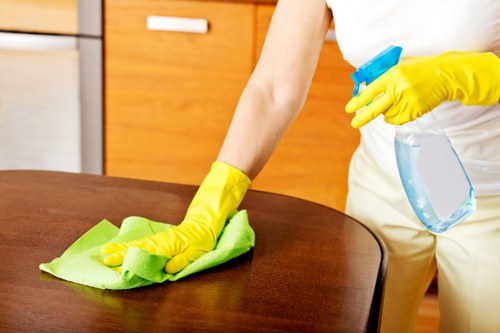
For some households, at-home cleaning is suitable for certain curtain types. If the care label says the fabric is washable, a gentle DIY approach can be effective. That said, even when you are handling curtain cleaning yourself, the key is to be cautious and methodical rather than rushing through the process.
One of the simplest methods is vacuuming. Using a brush attachment, you can remove surface dust without taking the curtains down. This is especially useful for maintenance between deep cleans. Regular vacuuming can reduce the amount of debris embedded in the fabric and make later curtain cleaning easier.
Another option is spot treatment. Small stains from fingerprints, spills, or water marks can often be managed with a mild detergent solution and a clean cloth. Always test on a hidden section first. For washable curtains, a gentle machine cycle or hand wash may be appropriate, but agitation, heat, and harsh chemicals can shorten fabric life.
DIY curtain cleaning steps
- Check the care label and fabric type.
- Vacuum or dust the curtain surface first.
- Test any cleaning product on an inconspicuous area.
- Use cool or lukewarm water unless instructions say otherwise.
- Avoid wringing, twisting, or overloading fabric.
- Air dry properly to help prevent shrinking or distortion.
DIY curtain cleaning can save time and money when done correctly. However, if the fabric is delicate, heavily soiled, or expensive, professional treatment is often the better long-term option.
Professional Curtain Cleaning: Why It Often Delivers Better Results
Professional curtain cleaning offers a level of care that is difficult to replicate at home. Specialists understand how to evaluate fiber types, linings, dyes, and construction methods before selecting a treatment. This reduces the risk of shrinkage, fading, fabric distortion, and water marks. For expensive or sentimental curtains, that peace of mind can be invaluable.
Professionals may use techniques such as dry cleaning, low-moisture extraction, steam treatment, or controlled washing depending on the fabric. These methods are designed to remove dust, odors, and contaminants while preserving drape and structure. In many cases, curtain cleaning performed by an expert can restore a refreshed look that goes far beyond what routine home cleaning achieves.
There is also a convenience factor. Taking down large curtains, cleaning them properly, drying them safely, and rehanging them without wrinkles can be time-consuming. Professional service simplifies the process and can be especially helpful for tall windows, layered treatments, or hard-to-reach installations. If you value efficiency and reliable results, curtain cleaning services are worth considering.
Benefits of professional treatment
- Better fabric protection for delicate or expensive materials
- Removal of deep-seated dust, odors, and allergens
- Reduced risk of shrinkage, color loss, or damage
- Time-saving convenience for busy households
- Improved appearance and longer curtain lifespan
When curtains are an important design feature, expert curtain cleaning helps maintain the polished look that homeowners and businesses want. It is not just about removing dirt; it is about preserving the investment.
Signs Your Curtains Need Cleaning
Sometimes curtain cleaning is obvious, but in many cases the signs are subtle. A curtain may not look “dirty” at first glance, yet it can still hold allergens and odors. Recognizing the warning signs early helps prevent permanent staining and fabric deterioration.
One clear indicator is discoloration. If your curtains appear dull, yellowed, or gray compared to their original shade, buildup is likely affecting them. Another clue is odor. Curtains can trap smells from cooking, smoke, dampness, or pets, and these odors often become more noticeable in enclosed rooms.
You may also notice more dust on nearby surfaces even after cleaning the room. That can mean the curtains are acting like a dust reservoir. In addition, any visible stains, mildew spots, or uneven fading should prompt immediate curtain cleaning. The longer contaminants remain on the fabric, the harder they can be to remove.
Practical signs to watch for
- Dust visible when sunlight hits the fabric
- Persistent odors after airing the room
- Allergy symptoms increasing indoors
- Stains or water marks near hems or edges
- Fabric looking flat, dull, or aged
- Mildew or damp smell in humid spaces
If these signs sound familiar, it may be time to schedule curtain cleaning before the issue becomes more difficult to manage.
Curtain Cleaning in Kitchens, Bedrooms, and Living Rooms
Different rooms create different cleaning challenges. Kitchen curtains often need extra attention because they absorb grease, steam, and food odors. In these spaces, curtain cleaning should happen more often, and fabrics may require stronger odor removal methods.
Bedroom curtains, especially blackout styles, can gather dust and allergens over time. Since bedrooms are places of rest, keeping fabrics clean helps support a more comfortable sleeping environment. Regular curtain cleaning in bedrooms is especially helpful for people with asthma or allergies.
Living room curtains may collect a combination of dust, pet hair, and general household particles. Because living spaces are used frequently, the curtains often show signs of wear faster than in less-used rooms. Careful curtain cleaning helps these fabrics stay attractive and presentable.
Room-by-room priorities
- Kitchen: focus on odor, grease, and frequent cleaning.
- Bedroom: prioritize allergen reduction and soft fabric care.
- Living room: manage dust, pet hair, and daily exposure.
- Bathroom: address moisture and mildew risk quickly.
- Home office: maintain a neat, professional look.
By tailoring curtain cleaning to the room, you can better protect both the fabric and the overall atmosphere of the space.
How Curtain Cleaning Improves Indoor Air Quality
Many people think of curtains as decorative, but they also play a role in the air you breathe. Fabric can trap microscopic particles that circulate indoors. Over time, this buildup may contribute to stuffiness, allergens, and dust accumulation. Regular curtain cleaning can help reduce that burden and create a fresher environment.
This is especially important in homes where windows remain closed for much of the year or where dust levels are naturally high. Curtain cleaning removes particles that would otherwise continue to resettle on furniture, floors, and other surfaces. In this way, clean curtains support a cleaner room overall.
For households with allergy sufferers, the benefits can be noticeable. Less dust in the fabric often means fewer irritants in the air. While curtain care is only one part of good indoor hygiene, it is a meaningful part. When combined with vacuuming, regular airing, and proper ventilation, curtain cleaning contributes to a healthier home routine.
Maintaining Curtains Between Deep Cleans
Keeping curtains fresh does not require constant major washing. Simple habits can extend the time between deep cleans and reduce the chance of heavy buildup. A little maintenance goes a long way when it comes to curtain cleaning.
Start by vacuuming with a soft brush attachment every few weeks. This helps remove surface dust before it sinks deeper into the fibers. Keep windows clean too, because dirty glass and frames can transfer grime to nearby fabric. If possible, open windows occasionally to allow air circulation, but avoid excessive exposure in dusty or polluted conditions.
Protecting curtains from direct damage is also useful. Avoid touching them with oily hands, keep candles and cooking splatter away from delicate fabrics, and address spills immediately. These small precautions make curtain cleaning easier and help preserve the original appearance of the drapes.
Maintenance tips that make a difference
- Vacuum curtains lightly on a regular schedule
- Shake out removable panels outdoors when appropriate
- Keep humidity under control to reduce mildew risk
- Treat stains quickly rather than waiting
- Use tiebacks to reduce handling and fabric strain
- Rotate or reposition curtains if sunlight causes uneven fading
These habits can reduce the need for aggressive intervention and make each round of curtain cleaning more effective.
Choosing the Right Curtain Cleaning Service
When you decide to use a professional, it helps to know what to look for. A reliable curtain cleaning service should be transparent about fabric handling, cleaning methods, drying time, and stain treatment. They should also be able to explain which process is appropriate for your curtain type.
Look for experience with a variety of textiles, including delicate and lined fabrics. A strong provider should understand how to treat different materials safely without causing shrinkage or color bleeding. The best curtain cleaning results come from technicians who assess the fabric first rather than using a one-size-fits-all method.
It is also worth asking whether the service can clean curtains on-site or whether they need to be removed and processed elsewhere. Each option has benefits depending on the fabric and level of soiling. For large projects or commercial settings, scheduling and efficiency matter just as much as the cleaning process itself.
What to ask before booking
- What cleaning methods do you use for my fabric type?
- Can you handle lined, blackout, or delicate curtains?
- How do you prevent shrinkage or damage?
- Do you provide stain or odor treatment?
- How long will drying and reinstallation take?
Taking these steps helps ensure your curtain cleaning experience is smooth, effective, and tailored to your needs.
Why Curtain Cleaning Is Also a Design Investment
Curtains are one of the most visible soft furnishings in any room. They draw the eye, frame the view, and influence how finished a space feels. Clean drapes instantly elevate the look of a room, while neglected ones can quietly drag down the overall aesthetic. That is why curtain cleaning should be seen as part of interior care, not just fabric maintenance.
In design terms, well-kept curtains help colors look richer, folds hang more neatly, and textures appear more luxurious. They also support the effect you want from the room—whether that is cozy, modern, formal, airy, or dramatic. With regular curtain cleaning, the fabric continues to perform visually rather than losing impact over time.
For property owners who want to make a positive impression, this matters. Clean curtains can make a home feel more cared for and a business look more professional. If your windows are dressed well, the entire room benefits. That is why many people choose curtain cleaning as part of routine upkeep before events, seasonal changes, or property viewings.
Final Thoughts on Curtain Cleaning
Clean curtains can transform a room in ways people often underestimate. They reduce dust, help control odors, improve indoor comfort, and preserve the beauty of your window treatments. Whether you handle some maintenance at home or rely on expert help, consistent curtain cleaning is one of the simplest ways to protect both health and style.
If you have been putting off curtain care, now is the perfect time to act. Start with a quick inspection, check the fabric labels, and decide whether your drapes need light maintenance or a deeper professional treatment. The sooner you address buildup, the easier it is to keep fabrics in excellent condition. Book your service now if your curtains need expert attention, or contact us today to take the next step toward fresher, cleaner interiors.
With the right approach, curtain cleaning becomes less of a hassle and more of a smart routine that supports a beautiful, comfortable space all year round.