Stain Removal in Everyday Life: Practical Methods, Smart Prevention, and Fast Results
Stain removal is one of those household tasks that everyone faces sooner or later. Whether it is a coffee spill on a shirt, grease on a kitchen towel, ink on upholstery, or mud on a favorite rug, knowing how to handle stain removal quickly can save time, money, and stress. The good news is that effective stain removal is not about using harsh products or scrubbing endlessly. It is about understanding the stain, choosing the right treatment, and acting at the right time.
In this article, we’ll explore how stain removal works, which methods are best for common stains, what mistakes to avoid, and how to protect fabrics, carpets, and other surfaces from lasting damage. If you want cleaner clothes, fresher upholstery, and fewer permanent marks, these stain removal tips can make a real difference.
Stain removal matters because stains are more than cosmetic problems. Some stains settle into fibers and become harder to remove as time passes. Others can weaken fabric, leave odors, or spread if treated incorrectly. A thoughtful stain removal process helps preserve the appearance and lifespan of clothing, bedding, carpets, and furniture.
Why Stain Removal Works Better When Done Early
The faster you begin stain removal, the greater your chances of success. Fresh stains sit on the surface longer before they bond with the material, which means they are usually easier to lift. Once a stain dries or is exposed to heat, it can become much more difficult to remove.
One of the most important rules of stain removal is to avoid rubbing aggressively. Rubbing can push the stain deeper into the fibers or enlarge the affected area. Instead, blotting, dabbing, or gently lifting the stain often works far better.
Quick action, the right solution, and patience are the foundation of effective stain removal. If you treat a stain carefully at the start, you are far more likely to get the result you want without damaging the surface.
Understanding Different Types of Stains
Not all stains behave the same way. Some are water-based, while others are oil-based or protein-based. Knowing the difference can improve your stain removal strategy and help you avoid wasting time on the wrong approach.
Common stain categories include:
- Water-based stains: coffee, juice, soda, tea, and wine
- Oil-based stains: butter, salad dressing, makeup, grease, and cooking oil
- Protein stains: blood, eggs, dairy, and sweat
- Combination stains: sauces, soups, cosmetics, and mixed food spills
Each type responds differently to stain removal. For example, protein stains often need cold water first, while oil-based stains may need absorbent materials or a degreasing agent. Understanding the stain type helps you choose the safest and most effective stain removal method.
It is also important to consider the surface. Fabric stain removal is different from carpet stain removal or upholstery stain removal. Delicate materials, colored fabrics, and textured surfaces may all need separate treatment strategies.
Stain Removal Basics Everyone Should Know
Before trying any stain removal method, there are a few basic steps that can improve your chances of success. These steps are simple, but they matter more than most people realize.
- Blot excess liquid or residue immediately.
- Check the care label or surface instructions.
- Test any cleaner on a hidden area first.
- Use the mildest solution that can handle the stain.
- Work from the outside of the stain toward the center.
Never apply heat too soon. Heat can set many stains permanently, especially on clothing and synthetic fabrics. That means no hot water, no dryer, and no ironing until you are sure the stain is gone.
For many people, successful stain removal is really about staying calm and methodical. A little structure goes a long way. If you know the material, the stain type, and the correct cleaning order, the process becomes much easier.
Effective Stain Removal Methods for Common Spills
Different stains require different responses, but some methods are widely useful. Below are practical stain removal solutions for some of the most common household spills.
Coffee and tea stains
Coffee and tea are tannin-based stains, which means they often need quick rinsing and gentle treatment. Blot the area with a clean cloth, then apply cold water. For washable fabrics, a small amount of liquid laundry detergent or stain remover can help break the stain down.
If the stain is on upholstery or carpet, dab rather than soak. Over-wetting can spread the stain and affect the backing or padding underneath.
Grease and oil stains
Oil-based stain removal often starts with absorption. Sprinkle cornstarch, baking soda, or talcum powder on the area to lift some of the oil. After letting it sit, brush it away and treat the remaining mark with dish soap or a grease-fighting cleaner.
Dish soap is popular because it is designed to cut through oil. In many stain removal situations, that simple step can be surprisingly effective.
Red wine stains
Red wine stain removal works best when the spill is fresh. Blot immediately, then apply cold water. Some people use salt to absorb moisture, while others use a specialized fabric cleaner. The key is to avoid rubbing and avoid heat.
For table linens and clothing, repeated blotting may be needed. The stain may lighten gradually with patience and the right cleaning product.
Fabric Stain Removal: Clothing, Bedding, and Towels

Fabric stain removal is one of the most common household needs. Clothes, bedsheets, and towels absorb spills quickly, but many fabrics can also be cleaned successfully if treated properly.
Always check the label before applying any stain removal solution. Some fabrics, such as silk, wool, and certain synthetics, require gentler care. Cotton and polyester usually tolerate more standard stain removal methods, but even these materials can be damaged by overly harsh products.
Pre-treating is often one of the most useful stain removal steps for fabric. A small amount of liquid detergent, stain remover spray, or diluted cleaning solution can loosen the stain before washing. Let the treatment sit for a few minutes, but do not let it dry on the fabric unless the product instructions say it is safe.
When washing stained clothing, use the appropriate temperature. Cold water is usually safer for protein stains, while warm water may work better for some oily or dirty marks. If the stain remains after washing, repeat the stain removal step before drying.
Useful fabric stain removal tips
- Act quickly to prevent setting.
- Blot instead of rubbing.
- Use cold water for blood and similar stains.
- Air-dry first to confirm the stain is gone.
- Avoid bleach unless you know it is safe for the fabric.
Carpet and Rug Stain Removal Without Damage
Carpet stain removal requires a careful approach because carpets can trap liquid deep in the fibers and padding. Unlike clothing, carpets cannot simply be tossed in a washer, so the right stain removal method matters even more.
For liquid spills, blot as much as possible using paper towels or a clean cloth. Press gently and repeat with fresh sections of the towel. Then apply a small amount of water or a carpet-safe cleaning solution. Work in small amounts to avoid over-saturating the area.
For thicker spills such as sauces, mud, or pet messes, remove solids first using a spoon or dull edge. Then proceed with stain removal using a cleaner suited to the carpet type. Always test in a hidden area before treating the visible stain.
One helpful rule in carpet stain removal is to avoid soaking the carpet underlay. Too much moisture can lead to odor, mildew, or hidden damage. Controlled cleaning is usually far better than aggressive scrubbing.
If a stain is old or very large, a professional carpet stain removal service may be the safest choice. Some marks are deeply set and may require specialized tools or steam extraction.
Upholstery Stain Removal for Sofas, Chairs, and Cushions
Upholstery stain removal is similar to carpet cleaning in some ways, but furniture fabrics often have different weaves, foams, and cleaning restrictions. A sofa can look clean on the surface while holding moisture inside, so careful treatment is essential.
Before starting upholstery stain removal, check the manufacturer’s cleaning code if available. Some upholstery can be cleaned with water-based solutions, while others need solvent-based products only. Using the wrong cleaner can leave rings, color changes, or texture damage.
For food and drink spills, blot first and then use a small amount of cleaning solution on a cloth rather than pouring directly onto the fabric. Work slowly, and let the upholstery dry thoroughly afterward. A fan can help speed the drying process.
When professional help makes sense
If the stain has spread into cushions, if the fabric is delicate, or if the sofa has multiple layers of material, professional upholstery stain removal may be the best option. This is especially true for antique furniture or high-value pieces.
Natural Stain Removal Options That Work
Many people prefer natural stain removal methods because they are affordable, accessible, and often less harsh than commercial chemicals. While natural solutions do not work for every stain, they can be very effective when used correctly.
Baking soda is useful for absorbing odors and lifting light stains. White vinegar can help with some water-based stains and odors, although it should not be used on everything. Hydrogen peroxide may help lighten certain stains, but it should be tested carefully because it can affect color.
Popular natural stain removal materials include:
- Baking soda for odor and moisture absorption
- White vinegar for some fresh stains and mineral buildup
- Lemon juice for brightening and mild bleaching effects
- Salt for absorbing liquid spills
- Dish soap for grease-based messes
Natural stain removal works best when used thoughtfully. Even natural ingredients can discolor fabric or weaken certain surfaces if used too heavily. Always test first and use moderation.
Mistakes to Avoid During Stain Removal
Sometimes stain removal fails not because the method is weak, but because the process is flawed. Avoiding common mistakes can dramatically improve your results.
Some of the biggest stain removal mistakes include:
- Using hot water too soon on protein or unknown stains.
- Rubbing hard and spreading the stain further.
- Mixing chemicals without understanding the risks.
- Skipping the test patch on delicate fabrics or upholstery.
- Drying before the stain is gone, which can set it permanently.
Another mistake is assuming one treatment will solve every stain. Effective stain removal may require repetition, especially for older stains. Patience and a careful sequence often produce better results than aggressive cleaning.
It is also wise to avoid overloading the area with cleaner. More product does not always mean better stain removal. In some cases, residue from the cleaner can attract dirt later, making the problem seem worse.
How to Build a Smart Stain Removal Routine
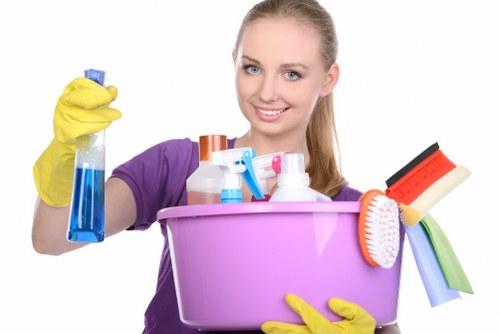
A routine can make stain removal far easier. Instead of searching for a solution after every spill, keep a few essential items ready in a dedicated cleaning kit. This saves time and helps you respond quickly before stains become permanent.
Your basic stain removal kit can include:
- Clean white cloths or paper towels
- Liquid laundry detergent
- Dish soap
- Baking soda
- White vinegar
- A soft brush or old toothbrush
- A spray bottle with water
- A fabric-safe stain remover
Keep the kit in a convenient place, such as a laundry room, kitchen cabinet, or utility shelf. That way, stain removal becomes a quick response rather than a stressful search.
Organization matters. When your supplies are easy to find, you are more likely to treat stains immediately. Immediate stain removal often means a cleaner home and fewer replacement costs for clothing, carpets, and upholstery.
Stain Removal for Special Situations
Some stains need special attention because of where they appear or what caused them. A few examples include ink, pet stains, makeup, and rust.
Ink stains
Ink stain removal depends on the ink type and the material. Blotting is still important, but solvent-based cleaners may be needed. Always avoid spreading the ink further with heavy pressure.
Pet stains
Pet stain removal often involves both cleaning and odor control. Enzyme cleaners are popular because they break down organic material rather than simply masking the smell. This makes them especially helpful on carpets and upholstery.
Makeup stains
Foundation, lipstick, and mascara can be oily and pigmented, so stain removal may require a degreasing cleaner or gentle detergent. Scraping off excess product first can help.
Rust stains
Rust stain removal is trickier because rust comes from oxidation. Some rust removers are designed for fabric or hard surfaces, but they must be used carefully. These stains are often best treated with a product made specifically for rust.
Preventing Future Stains Before They Happen
The best stain removal strategy is prevention. While spills are unavoidable, a few habits can reduce how often they happen and how severe they become.
Helpful prevention strategies include:
- Using placemats, coasters, and tablecloths
- Applying fabric protector on suitable items
- Cleaning spills immediately instead of waiting
- Keeping stain removal products within reach
- Choosing washable fabrics for high-use areas
In kitchens, use splatter guards and wipe surfaces often. In living rooms, consider washable cushion covers or throws. For clothing, pretreating collars and cuffs can help reduce buildup from sweat, makeup, and everyday dirt.
Prevention does not replace stain removal, but it greatly reduces the number of emergencies you face. That means less time cleaning and more time enjoying your home and wardrobe.
When to Choose Professional Stain Removal
Some stains are too large, too old, or too delicate for at-home treatment. Professional stain removal can be the right choice when the material is valuable or the stain is spreading despite your efforts.
Professional services often make sense for:
- Antique rugs and specialty carpets
- Luxury upholstery fabrics
- Large water damage with discoloration
- Deep-set stains that have already been heat-dried
- Items labeled dry clean only or otherwise delicate
Professional stain removal providers often use specialized solvents, extraction machines, and fabric-safe techniques that are not typically available at home. That extra expertise can protect your belongings and improve the final result.
If a stain remains after repeated careful attempts, do not keep applying random products. At that point, a professional stain removal service may save the item from permanent damage.
Final Thoughts on Stain Removal
Stain removal does not have to be overwhelming. Once you understand the type of stain, the surface involved, and the proper sequence of cleaning steps, the process becomes much more manageable. Whether you are dealing with clothes, carpets, upholstery, or household linens, the same core principles apply: act quickly, use the right cleaner, and avoid setting the stain with heat.
Good stain removal is a mix of knowledge and habit. The more prepared you are, the easier it becomes to handle spills before they turn into permanent marks. From coffee and grease to ink and pet accidents, a well-planned stain removal approach keeps your home cleaner and your fabrics in better condition.
Need better results from your cleaning routine? Start building a practical stain removal plan today, and book your service now if the stain is too stubborn to handle alone. For serious or delicate cases, contact us today and take the next step toward restoring your fabrics, carpets, and furniture.